
TLDR
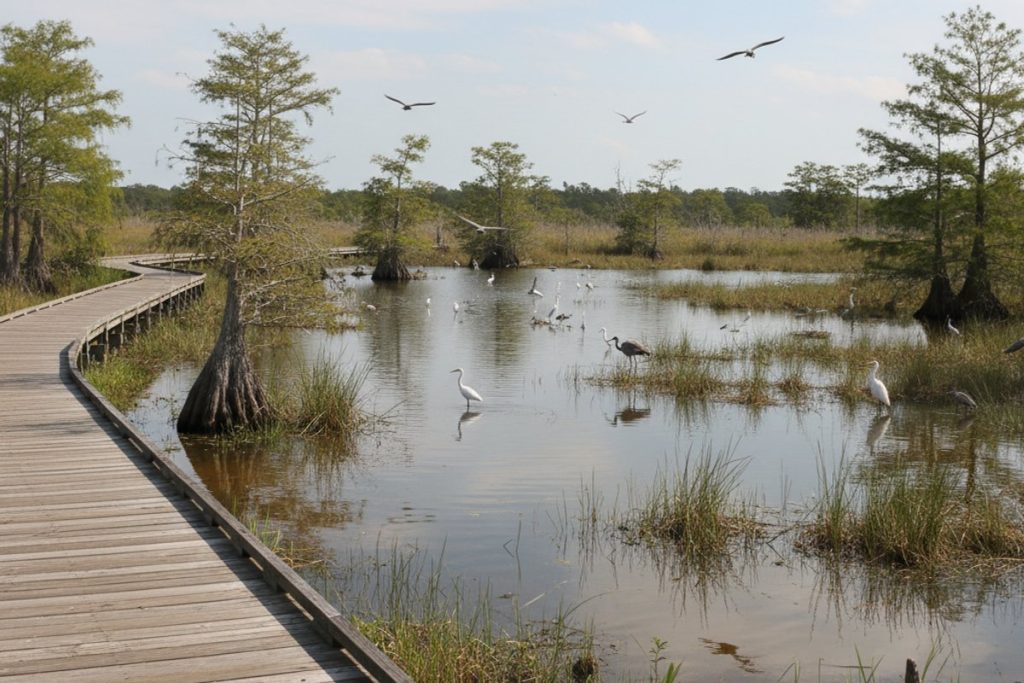
Wakodahatchee Wetlands is a free 50-acre constructed wetland in western Delray Beach with a three-quarter-mile elevated boardwalk, 178+ recorded bird species, and easy alligator viewing. Open daily 6am to 7pm, best February through April during nesting season. No admission, no parking fee, no reservation needed. About 10 to 15 minutes from the beach by car.
Insider Tip
Arrive by 6:30am with binoculars and skip the crowds entirely. The parking lot has maybe 40 spots and on a February Saturday it fills by 8am. First light is also when the wood storks, spoonbills, and herons are most active, and the photography light is at its best. Bring coffee, not food. Eating on the boardwalk is prohibited.
Planning your Delray stay? Check current rates at Berkshire By The Sea, 10 to 15 minutes from Wakodahatchee and one block from the Atlantic Ocean.
What Wakodahatchee Actually Is
The name Wakodahatchee comes from a Seminole word meaning created waters, which is exactly what this is. Palm Beach County Water Utilities built the site in 1996 on former wastewater utility land as a way to treat water naturally instead of simply discharging it. Rather than disposing of treated wastewater, the county pumps it through this 50-acre wetland ecosystem.
The result is a thriving habitat that supports an extraordinary variety of wildlife year-round. What looks like a preserved natural wetland is actually engineered infrastructure doing the work of a treatment plant, and doing it well enough to have been officially recognized on the Great Florida Birding Trail, a statewide network of top wildlife viewing sites maintained by Florida Fish and Wildlife.
The three-quarter-mile elevated boardwalk winds through the wetland with interpretive signage, gazebos, and benches along the way. It is fully wheelchair and stroller accessible, with smooth decking and wide enough paths for mobility aids to pass comfortably. For broader Delray Beach context on budget-friendly attractions, the Florida on a budget guide puts Wakodahatchee alongside the other genuinely free experiences in the area.
Wildlife You Will See
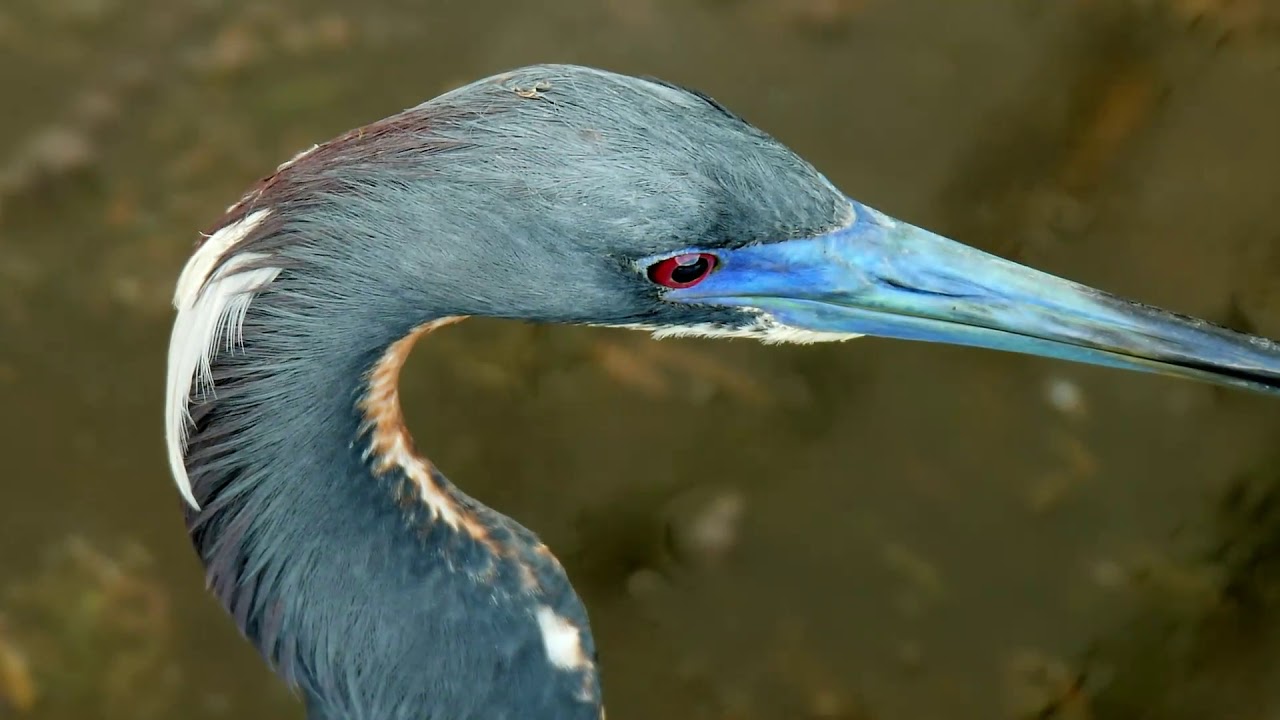
Over 178 bird species have been recorded here. On any given morning, you can expect to see Great Blue Herons, Tricolored Herons, Anhingas (watch for their distinctive wing-drying pose), Double-crested Cormorants, and Wood Storks, an endangered species that frequently nests right along the boardwalk. The Wood Storks alone are a reason to visit, because most birders go years without seeing one up close.
Roseate Spoonbills are the crowd favorite. Their vivid pink coloring stands out even from a distance, and they wade the shallow edges in small groups. You will also spot Little Blue Herons, Black-crowned Night Herons, Moorhens, Coots, and Purple Gallinules moving through the vegetation. The Great Florida Birding Trail listing through VisitFlorida gives fuller species lists if you want to prepare with a target list.
Beyond birds, American Alligators are a common sight sunning on the banks. Softshell and slider turtles, raccoons, rabbits, and various fish species round out the wildlife. Nesting season runs February through April, and that is when the boardwalk is at its most spectacular with chicks visible in nests and maximum bird activity throughout the wetland.

Practical Information and Hours
Wakodahatchee is at 13270 Jog Road, Delray Beach, FL 33484. Open daily 6am to 7pm, sunrise to sunset roughly. The wetlands close annually in fall, typically late October through mid-November, for maintenance. If you are planning a fall visit, check the Palm Beach County parks page at pbcgov.com before driving out, because the closure dates shift slightly each year.
Admission is free. Parking is free. No reservations are required. The trade-off is that the parking lot is small, maybe 40 cars, and on weekends it fills fast. Try to arrive before 8am on weekends to secure a spot without hassle. Overflow parking is nonexistent, so if the lot is full you may need to come back another time or try nearby Green Cay Wetlands as a backup.
From East Delray on A1A, take Atlantic Avenue west past I-95 and the Florida Turnpike to Jog Road, then head south to 13270 Jog Road. Drive time runs 10 to 15 minutes depending on traffic and the lights along Atlantic Avenue. Uber and Lyft run $12 to $20 each way, though you may wait 10 minutes for a return ride from the wetland itself since drivers do not linger in this area.
Tips for a Better Visit
Bring binoculars. They dramatically improve the experience, because many birds are active at a distance and binoculars let you see nesting activity in detail. An 8×42 or 10×42 pair is the standard birding choice if you are buying. Phone cameras pick up the spoonbills and alligators fine at closer range, but a telephoto lens or a superzoom compact camera does much better for the smaller or more distant species.
Pack insect repellent, especially in spring and summer mornings, when mosquitoes can be present along the boardwalk. Wear light, breathable clothing. The boardwalk is largely exposed to sun, and South Florida mornings heat up quickly. A hat and sunscreen matter any time of year. Budget 45 to 75 minutes for a comfortable birdwatching pace through the full boardwalk loop.
Know what is not permitted. Pets, drones, food, alcohol, jogging, biking, fishing, and smoking are all prohibited on the boardwalk. Enforcement is real, so leave the dog at the hotel and eat before or after the visit. If you want to combine wetland walks, Green Cay Wetlands in Boynton Beach (10200 Hagen Ranch Road) is just 5 miles away and makes for a full morning of birdwatching if you want to see even more.
Best Time to Visit
February through April is peak nesting season. Chicks sit in nests often at eye level from the boardwalk, adult birds are moving food in and out constantly, and the whole wetland is at maximum activity. If you can only visit once, plan for this window. Weekday mornings during this period are still accessible; weekend mornings get crowded enough that the quieter feel of the place fades.
Early morning any time of year gives the best light and the most active wildlife. The wetland is quieter, cooler, and more alive at 6am than at 10am. Avoid midday visits in summer. The heat and humidity from June through September are intense, bird activity drops significantly as temperatures rise, and the boardwalk offers limited shade. November through March is the most comfortable overall window for any time of day.
Remember that the wetlands close in fall, usually late October through mid-November. Plan around that window if you are visiting in the autumn months. The City of Delray Beach visitor resources at mydelraybeach.com sometimes carry current closure notices, but the county parks page is the most reliable source.
Combining Wakodahatchee with Other Stops
Wakodahatchee works well as a morning stop paired with an afternoon at the beach or on Atlantic Avenue. A sunrise start gets you back to East Delray by 9am for breakfast on Atlantic, a mid-morning beach walk, and a midday nap before dinner. This pattern respects the Florida heat, which drops wildlife activity between 11am and 3pm anyway.
For a deeper nature day, stack Wakodahatchee with Green Cay Wetlands 5 miles away, then lunch at a casual spot in Boynton Beach before returning east. If you want to extend further, Loxahatchee National Wildlife Refuge 30 minutes north has a different swamp ecosystem with cypress boardwalks and the Everglades in miniature. The whole day is free or close to it.
Pairing with the Morikami Museum works if you want a half-day nature and half-day culture split, because the two sit within 10 minutes of each other in western Delray. Morning at Wakodahatchee, late lunch at the Cornell Cafe inside the Morikami grounds, then the gardens in the afternoon. It is one of the best Delray day plans in town.
You might also find these useful: Morikami Museum Visitor Guide, Atlantic Avenue Delray Beach Guide, Things to Do in Florida, Best Time to Visit Florida.
What Guests Say About Staying in Florida
Guests rate it 8.0/10 from 321 reviews.
Great place in proximity of the Atlantic Sea with great staff, 2 minutes walk to beach, 15 minute walk to Atlantic Avenue shops
What Guests Say About Staying Here
Guests rate it 8.0/10 from 321 reviews.
The apartment is clean, well-kept, and has pretty much everything you need. Easy and fast check-in and check-out
See What Berkshire By The Sea Looks Like

Check current prices at Berkshire By The Sea
A beach-block stay in Delray Beach, 10 to 15 minutes from Wakodahatchee and one block from the Atlantic Ocean.
Check Available RoomsWe may earn a small commission if you book through this link. It does not cost you anything extra.
See What Berkshire By The Sea Looks Like
Frequently Asked Questions
Is Wakodahatchee Wetlands free?
Yes, completely free. There is no admission fee, no parking charge, and no reservation needed. Just show up and walk the three-quarter-mile boardwalk at your own pace. It is one of the best free attractions in all of South Florida.
What time does Wakodahatchee open?
Wakodahatchee is open daily from 6am to 7pm, sunrise to sunset roughly. It closes annually in fall, usually late October through mid-November, for maintenance. Check ahead if you are planning a fall visit. Sunrise visits give the best bird activity.
How long is the Wakodahatchee boardwalk?
The elevated boardwalk is three-quarters of a mile in a full loop. At a birdwatching pace with photo stops, plan 45 to 75 minutes to complete the loop comfortably. The boardwalk is fully wheelchair and stroller accessible with gazebos and benches along the way.
When is the best time to visit Wakodahatchee?
February through April during nesting season is the peak time, with chicks in nests and maximum activity. Early morning (6 to 9am) any time of year offers the best light and most active wildlife. Avoid summer midday visits when heat and humidity are intense.
Are there alligators at Wakodahatchee?
Yes, American Alligators are commonly seen sunning on the banks and swimming in the ponds. The elevated boardwalk keeps you at a safe distance. Never try to feed or approach wildlife. Softshell turtles, sliders, and various fish are also visible from the boardwalk.
What birds can you see at Wakodahatchee?
Over 178 species have been recorded. Roseate Spoonbills, Wood Storks (endangered), Great Blue Herons, Tricolored Herons, Anhingas, Cormorants, Purple Gallinules, and Moorhens are all regular sightings. During nesting season February through April, you will often see chicks in active nests along the boardwalk.
How do I get to Wakodahatchee Wetlands?
Wakodahatchee is at 13270 Jog Road in Delray Beach, about 5 to 7 miles west of the beach. From East Delray it is a 10 to 15 minute drive depending on traffic. Parking is free but limited, so on weekends try to arrive before 8am to secure a spot.
What should I bring to Wakodahatchee?
Binoculars dramatically improve the experience, as many birds are active at a distance. Pack insect repellent in spring and summer mornings, and wear light breathable clothing because the boardwalk is exposed to sun. Water and a hat are useful year round. Pets, food, alcohol, drones, jogging, biking, and smoking are prohibited.
Planning a Stay in Florida?
Guests rate Berkshire By The Sea 8.0/10 from 321 reviews. Check prices and availability for Berkshire By The Sea on Booking.com, or compare other places to stay nearby.
Check AvailabilityWe may earn a small commission if you book through this link. It does not cost you anything extra.
Staying at Berkshire By The Sea? Browse rooms, facilities and more local guides.
Back to Berkshire By The Sea